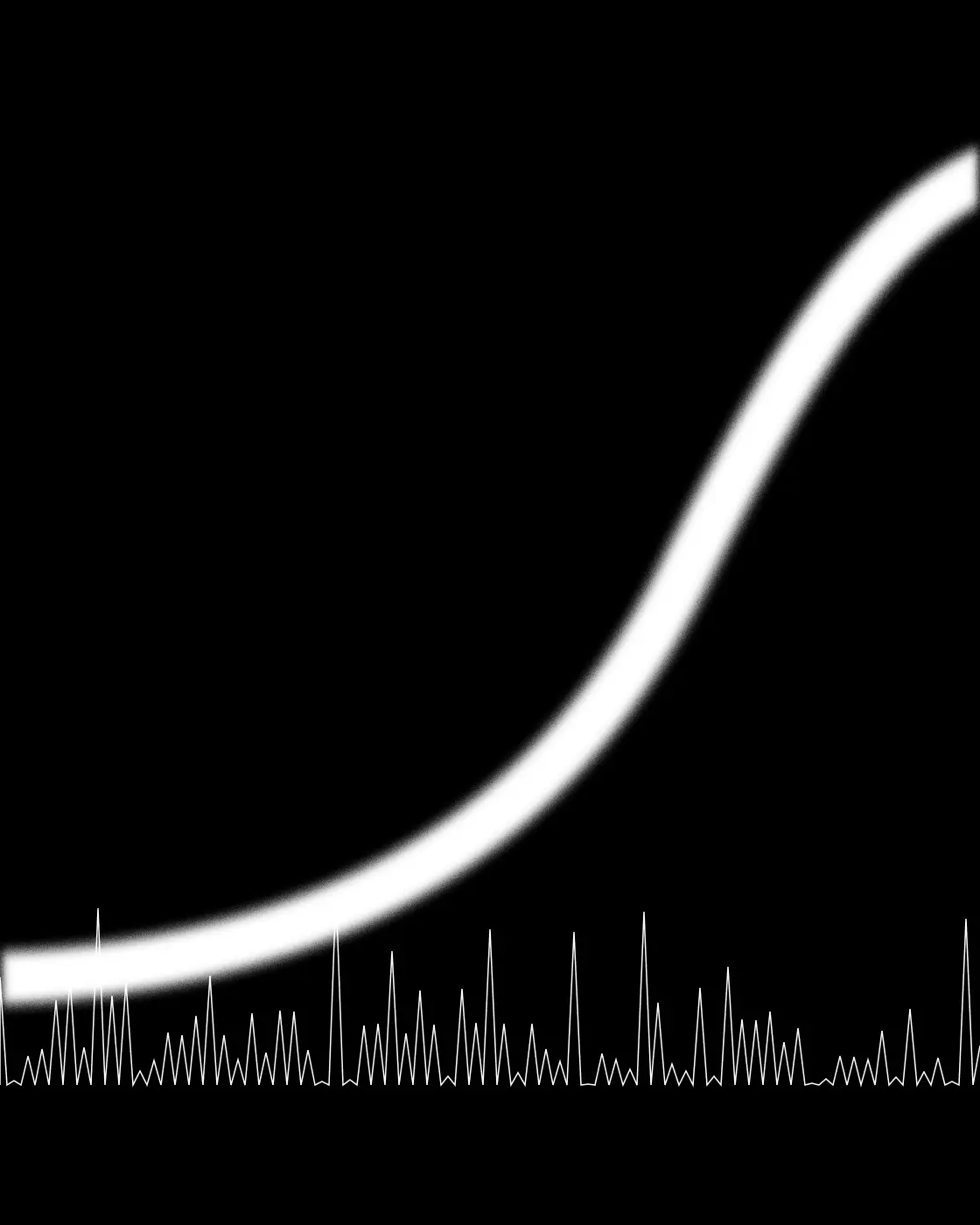
Performance marketing captures demand that already exists. Brand building creates the demand and memory that performance later collects. A company needs both, and most young companies underinvest in the second one.
Clicks are cheap. Being remembered is not.
Performance marketing is seductive because it comes with a dashboard. You spend on Monday and see results by Tuesday. Brand work is slower, harder to attribute and awkward to defend in a board meeting. So budgets drift towards what can be measured, until the day the numbers stop improving and nobody can explain why.
What each one actually does
Performance marketing is advertising and optimization aimed at an immediate, measurable action: a click, a sign-up, a sale. Think paid search, retargeting and conversion-focused campaigns. It works best on people who are already in the market.
Brand building is the sustained work of making a company known, distinctive and easy to recall when someone eventually needs what it sells. Think positioning, identity, campaigns, content and consistent presence. It works mostly on people who are not buying yet.
The key is timing. At any given moment, most of your potential customers are not looking for you. Performance cannot reach them in any useful way. Brand is how you are already in their head when they start looking.
What the evidence says about balance
The best-known work on this comes from Les Binet and Peter Field. In The Long and the Short of It, published through the UK’s Institute of Practitioners in Advertising, they analyzed 996 campaigns from the IPA’s effectiveness database, entered between 1980 and 2010. They suggested an average balance of about 60 percent brand building to 40 percent sales activation.
The finding has been repeated so many times that it has become a slogan, so three caveats are worth keeping:
- It is an average, not a law. Field himself has described it as more nuanced than a fixed rule, and the right mix varies by category.
- The data has a bias. It comes from campaigns entered into effectiveness awards, which are not a random sample of marketing.
- It has critics. Byron Sharp, among others, has dismissed the 60:40 rule.
A seed-stage startup should not copy a ratio built on award-entered campaigns. Still, the underlying idea has lasted because it matches what many marketers see: short-term activation gets results quickly, then flattens, while brand effects build more slowly and last longer.
The trap of last-click thinking
Attribution tools reward whoever touched the customer last. So when someone sees a talk, hears about you from a colleague, reads a post and then searches your name and clicks an ad, the ad gets the credit.
The ad did its job. It did not do all of it.
The danger is what happens next. Brand spend looks like it produces nothing, so it gets cut. Performance keeps reporting well for a while, because it is harvesting demand created earlier. By the time the pipeline thins, the cause is months behind you.
Part of what looks like performance is often brand, wearing a different report.
How brand makes performance work better
These two are not competitors for the same job. A clear brand improves paid and organic results in concrete ways:
- Ads get recognized. A familiar name or look earns attention in a crowded feed.
- Landing pages get believed. People are less skeptical of a company they have heard of.
- Branded search grows. People who remember you look for you directly.
- Price pressure eases. The less interchangeable you feel, the less it comes down to price.
- AI answers have something to say. A distinctive, consistent brand is easier for assistants to describe, as we explain in how to measure AI visibility.
And it runs the other way too. Performance data is one of the fastest ways to learn which messages make people act. Good teams feed those lessons back into the brand.
What to do at each stage
There is no universal percentage, but there is a sensible sequence.
Before product-market fit
Keep spend small and treat performance as research. Test messages, audiences and offers. But invest in positioning early, because everything you learn needs somewhere to land.
Early traction
Build the foundations: an identity people recognize, a website that explains the company, and a small number of channels you can do well. Capture existing demand through search and conversion work.
Scaling
When paid channels start getting more expensive or flatter, that is often a sign you have used up the people already looking. This is the moment to reach beyond them, with work designed to be remembered.
Established
Protect brand budgets from quarterly panic. Measure them over a longer time frame, and judge activation on its own terms.
How to measure brand without pretending
Brand can be measured, just not with the same instrument. Useful signals include:
- Growth in branded search over time.
- Share of direct and referred traffic.
- Prompted and unprompted awareness among your target audience.
- “How did you hear about us?” answers on forms and in sales calls.
- Win rates and discounting in sales conversations.
- Whether people can describe what you do without help.
None of these is as tidy as cost per click. Accept that. A precise measure of the wrong thing is still the wrong thing.
The test
Imagine you switched off all paid media for a month. What would be left? Would people still search for you, recommend you and recognize your work?
If the honest answer is “not much”, you do not own an audience. You are renting one. At Spank, brand and performance sit in the same team so that the two are planned together, and if your numbers have started to plateau, we should talk.
Frequently asked questions
What is the difference between brand marketing and performance marketing?
Performance marketing targets an immediate, measurable action from people already in the market. Brand marketing builds long-term recognition and preference among people who may buy later. Performance captures demand, while brand helps create it.
What is the 60/40 rule in marketing?
The 60/40 rule comes from Les Binet and Peter Field’s analysis of IPA effectiveness data. It suggests an average split of about 60 percent brand building and 40 percent sales activation. It is an average that varies by category, and it has critics.
Should a startup invest in brand or performance first?
Most early startups should keep performance spending small and use it to learn what messages work, while investing early in clear positioning. Larger brand campaigns usually make more sense once there is traction and existing demand is becoming harder to capture.
How do you measure brand building?
Track branded search, direct traffic, awareness among your audience, responses to “how did you hear about us” and sales win rates. Brand effects build slowly, so these measures are best read as trends over months rather than weekly.
Why has my paid advertising stopped scaling?
Paid channels often flatten when a company has reached most of the people actively looking for its product. Further growth usually needs creating new demand and recognition, as well as improvements to offer, audience and creative.